Welcome to TE WHARE MŌTATAU I IHARAIRA LIMITED
"A sacred space dedicated to the reintegration and rehabilitation of Māori tāne and Māori wāhine. Here, we honour the placenta as the core of Whare Tangata Tāne and Whare Tangata Wāhine, embracing the rich mātauranga Māori that grounds us."
What is Whare Mōtatau?
Whare - A house, a Shelter, a place of gathering
Mōtatau - to dwell, to remain, to settle, to make home
Te Whare Mōtatau is more than a building.
It is a Whare Tangata - a house of people a vessel of transformation
We work alongside tāne transitioning from incarceration back into the community. Our approach is not based on punishment or supervision - it is build on Aroha, Manaaki and whakapapa. We do not just provide a bed; we provide a foundation to rebuild a life.


INTRODUCTION
TE WHARE MŌTATAU I IHARAIRA LIMITED
Rākau Mairire Whare Mōtatau Trust
Whakapapa — The Final Connection
Nau mai, haere mai — Welcome
Te Whare Mōtatau is a sacred space dedicated to the healing, reintegration and restoration of tāne returning home to their whānau, their whenua, and themselves.
Grounded in Mātauranga Māori and guided by our seven tikanga principles, we provide safe, supported living environments where people can rest, rebuild, and remember who they are.
No one walks this journey alone. We walk together.
Our Purpose - Te Putake
Te Putake — Our Core Purpose
Ko te Kaupapa
Ko te kaupapa o Te Whare Mōtatau I Iharaira Limited, he whakaoranga anō me te whakahōnore i ngā tāne Māori. E whakarite ana ngā tāne kia āhei ai rātou ki te hanga i te ahua o te pāpā i roto i ō rātou haerenga, ō rātou hoa rangatira, wāhine, tama, pāpā, mokopuna, tuākana hoki.
Ko te whāinga kia whakahoki mai i te mauritau o te tamaiti, tāna mana, tāna tapu hoki mō te whānau, ā, me te tauira anō i taua tikanga kia tū hei tīpuna mō te whānau.
E whakahonoretia ana e mātou te Whare Tangata — te tinana, te wairua, te whakapapa o ia tangata. Ka whakakā te mātini ahi o te Mātauranga Māori, kia hoki ai ngā tāne ki tō rātou mana, tō rātou tapu, tō rātou tūranga hei kaitiaki, hei matua, hei rangatira.
"For Māori, by Māori" — Mā tātou, mō tātou. Ko Tamakaimoana Iwi e ārahi ana i tēnei kaupapa.
Our Core Purpose
Our Mission
The purpose of Te Whare Mōtatau I Iharaira Limited is the restoration and honouring of Māori men. We guide them to embrace the sacred roles of father, partner, leader, and kin — standing strong alongside their spouses, children, parents, grandchildren, and elders.
Our aim is to restore the innocence, authority, and sacredness of every person, returning these gifts to the whānau. We plant the seeds so that this generation may grow to become esteemed ancestors, guiding the generations yet to come.
We honour the Whare Tangata — the body, the spirit, and the lineage within every person. We ignite the steady flame of Māori knowledge, so that men may reclaim their dignity, their sacredness, and their rightful place as guardians, parents, and leaders.
"For Māori, by Māori" — By us, for us. Tamakaimoana Iwi leads this journey.
WHARE TANGATA
Whare tangata "traditionally refers to the human body or the house of the person in Māori culture.
Every person who enters our doors carries their own whakapapa - their ancestors, their history, their potential. When they walk through our waharoa (Entrance), they are the living continuation of those who came before them.
"We do not fix people. We help them remember who they are"
Connection to whānau is at the centre of everything we do. Healing happens not in isolation, but in relationship - with our people , our land, and our true selves.
When you mention "Whare tangata of tane" it speaks to a deeper, often unrecognized, intrinsic essence or identity embedded within men, connected to atua (spiritual beings), rangatiratanga (chieftainship or self-determination), and their whakapapa (genealogy).
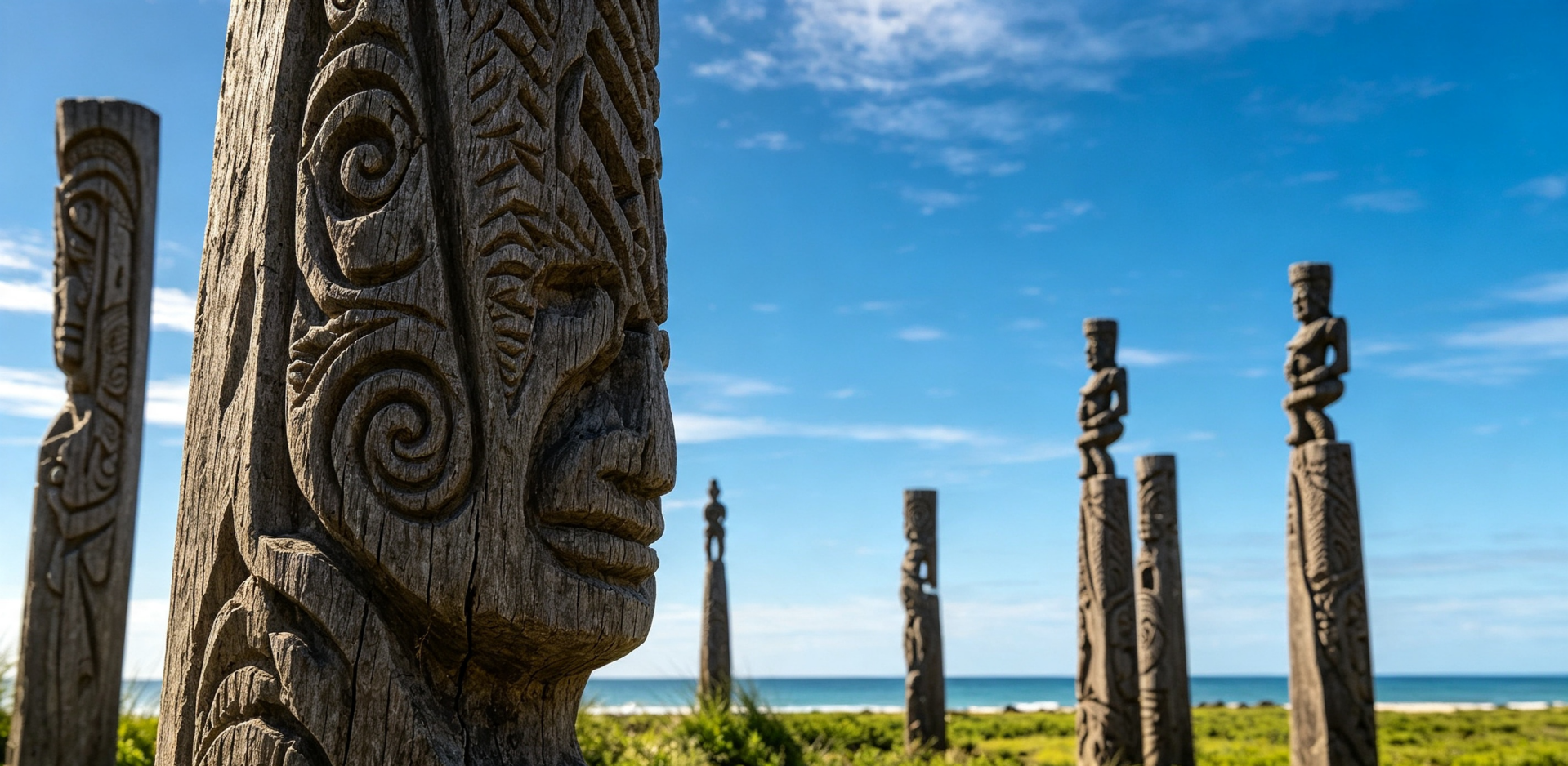
This essence reflects a profound connection to their ancestors (mātua tipuna), embodying both spiritual and physical dimensions. While this connection might not always be overtly acknowledged, it fundamentally shapes their identity and actions. Like an expert carver chiseling wood, this shapes ones own being and life, drawing on the strength and wisdom passed down through whakapapa.
This whakapapa is not just a lineage but a living source of love, light, and guidance, empowering to manifest potential and leadership in the world.
In this way, the whare tangata is both a reflection of ancestors and a vessel for growth, mana (authority, prestige) and ultimate


Mātauranga Māori
Te Whare Mōtatau I Iharaira Limited plays a vital role in fostering the revival and application of Mātauranga Māori within the context of reintegration. By providing not only practical tools but also deep cultural teachings, we support individuals in reconnecting with their identity, whakapapa (genealogy), and tikanga (customs), which are foundational to holistic wellbeing.
The phrase whakakā te mātini ahi o te Mātauranga Māori—igniting the steady flame of Māori knowledge—symbolizes the Trust’s commitment to rekindling the enduring wisdom of Māori traditions as a guiding light for transformation. This flame represents more than knowledge; it embodies the spiritual, emotional, and communal strengths embedded in Māori worldviews. Through this, clients are invited to breathe life into their daily existence, integrating cultural values and practices as a source of resilience and empowerment.
In their ministry, Te Whare Mōtatau I Iharaira Limited creates a safe and nurturing space where the principles of Mātauranga Māori can be lived and experienced, rather than simply taught. This lived experience helps individuals to heal from past trauma, rebuild a sense of belonging, and develop the skills needed for successful reintegration into their whānau (family) and wider community.
Ultimately, dedication to weaving Mātauranga Māori into everyday life reflects a profound understanding that truly acknowledges changing behaviours and restoring balance—physical, mental, spiritual, and socially.


OUR PRINCIPLES - MATAAPONO
Te Whare Mōtatau I Iharaira Limited's reintegration model is grounded in the following 7 principles and practices:
Whakapapa Connection - We honour the lineage of every person. Knowing where you come from is the first step to knowing where you are going. We support kainoho to rebuild and strengthen connections to their whānau, their whenua and their heritage.
Manaakitanga - We uphold the mana of all people. Our care is generous, respectful and unconditional. We create spaces where people feel seem, valued, safe and truly welcome.
Whakawhanaungatanga - We build genuine relationships. Trust is earned through time, presences and consistency. We walk beside our kainoho, together not ahead, not behind.
Kotahitanga - We act as one. Trustees, kaimahi and kainoho - we are one whānau moving toward the same purpose. Unity guides every decision.
Rangatiratanga - We empower self - determination. Every person has the right to shape their own journey. We do not hold authority over others - we help them find their own.
Mana Motuhake - We stand in our own authority. This kaupapa is Māori led, Māori - designed and Māori delivered. We walk with the confidence of our ancestors behind us.
Whakaute - Respect. We treat all people - and ourselves with dignity. Whakaute is the baseline of every interaction. We give respect freely without condition.
He hononga i kitea e Rua Kenana Hepetipa rāua ko Piupiu Te Wherowhero no roto i to rāua tutakitanga. Na kua kitea te tēra whakakitenga. Na me mihia.
"A connection seen by Rua Kenana Hepetipa and Piupiu Te Wherowhero when they met. That revelation has now been seen. Therefore it must be acknowledged, honoured."
Me mihia hoki te mana whenua, to tātou Kuini Māori a Ngā Wai Hono I te Pō me te kāhui āriki. Pai Mārire ki a koutou oti ra ki a tātou katoa.
Let us also honour the mana whenua, our Māori Queen Ngā Wai Hono I te Pō, and the assembly of āriki.. May there be peace and blessing upon you all — indeed, upon us all.
Me tiki atu ko āu kupu "Patua te Raupatu ka hāere whakamua ki te Rauora, anei ko te Whare Mōtatau e whakatauira nei.
Let us take up these words — "Strike down the confiscations, move forward into abundant life." Behold Te Whare Mōtatau, giving form to this truth.
OUR FACILITIES
TE KAUWHATA -
- "Te Iho Residential House and supported living, 4 Bedroom for tāne
- 10 Accommodation Cabins - Planning Stage, Same site
- "Te Iho" Residential house
Contact: 0220941110 for details
More Properties Being Sourced

"Join us on a journey of healing, identity, and strength, as we revive the sacred essence of our people."
Ngā mihi nui ki a koutou katoa
Contact us - Whakapā Mai
TE WHARE MOOTATAU I IHARAIRA LIMITED
Auckland, New Zealand
Enquiries
0220941110
Website
Socials
Create Your Own Website With Webador